

Starlink's Next-Gen Cell Plan
This Week in AI: Anthropic's best worst week. The 24-year-old AI fund manager wiz.

Hello Futurists,
This week, the AI race really felt like a sprint.
Four days ago, Anthropic was getting blacklisted by the US Government. Now, it’s #1 in the App Store and showing off billions in new revenue.
And that headline is just #5 on this week’s list.
Let’s get into the news.
- Josh

SpaceX Wants to Be Your Cell Provider
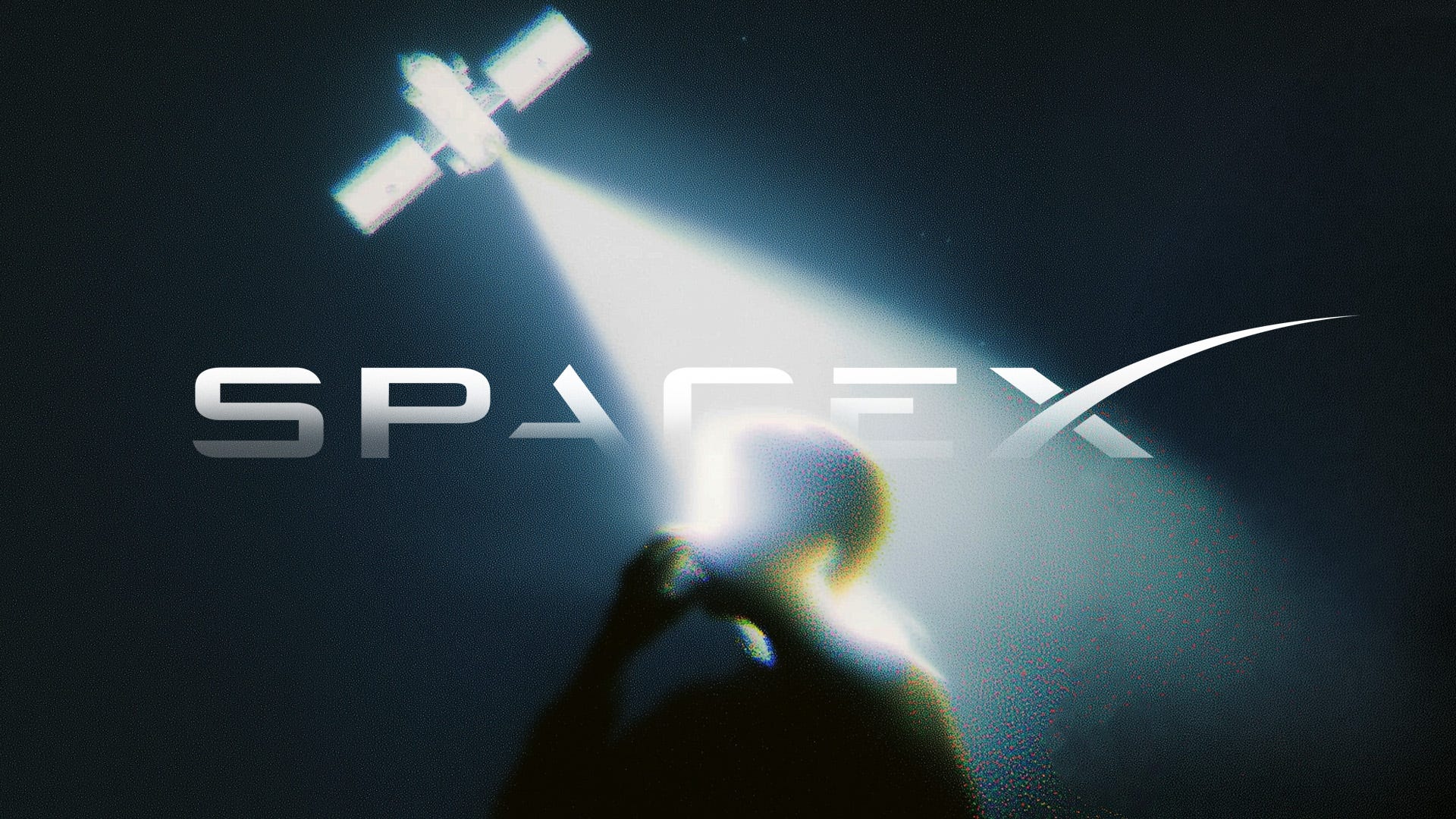
At Mobile World Congress in Barcelona this week, SpaceX rebranded its Direct-to-Cell service to "Starlink Mobile" and pulled back the curtain on V2, its next-generation satellite constellation.
The V2 satellites promise peak download speeds up to 150 Mbps, with 100x the data density of the current generation, all delivered directly to your unmodified smartphone, no dish required.
Deutsche Telekom, one of Europe's largest carriers, was the first to sign on for V2, with plans to serve over 140 million subscribers across 10 European countries.
V2 satellites are too big for Falcon 9 but not for Starship, and are set to begin launching aboard them as early as 2027. The service is framed as a complement to terrestrial networks rather than a replacement, so maybe don’t plan to ditch Verizon or T-Mobile just yet. But either way, the endgame is pretty clear: a single global wireless layer floating 340 miles above your head, filling in every dead zone on Earth. No more “I have no service” ever again.
GPT-5.4 Is Better at Your Job
OpenAI dropped GPT-5.4 this week and the headline numbers are pretty wild. Across 44 occupations in the top industries contributing to U.S. GDP, GPT-5.4 matches or exceeds human professional output in 83% of them. Meaning if you lined up a random knowledge worker next to this model, the model wins four times out of five.
On desktop computer use, it achieved a 75% success rate, surpassing the human benchmark of 72.4% — the first general-purpose AI model to clear that bar. Navigating software environments the same way you do, with a mouse and keyboard.
The model now supports a 1 million token context window, meaning it can hold an entire company's worth of documents in memory while it works. It also hallucinates 33% less.
The model is available now and maybe worth seeing if you’re that 1 of 5.
Apple's New Portable Supercomputer
Apple announced a whole bunch of new and upgraded hardware this week:
iPhone 17e
iPad Air
MacBook Neo
MacBook Air
MacBook Pro
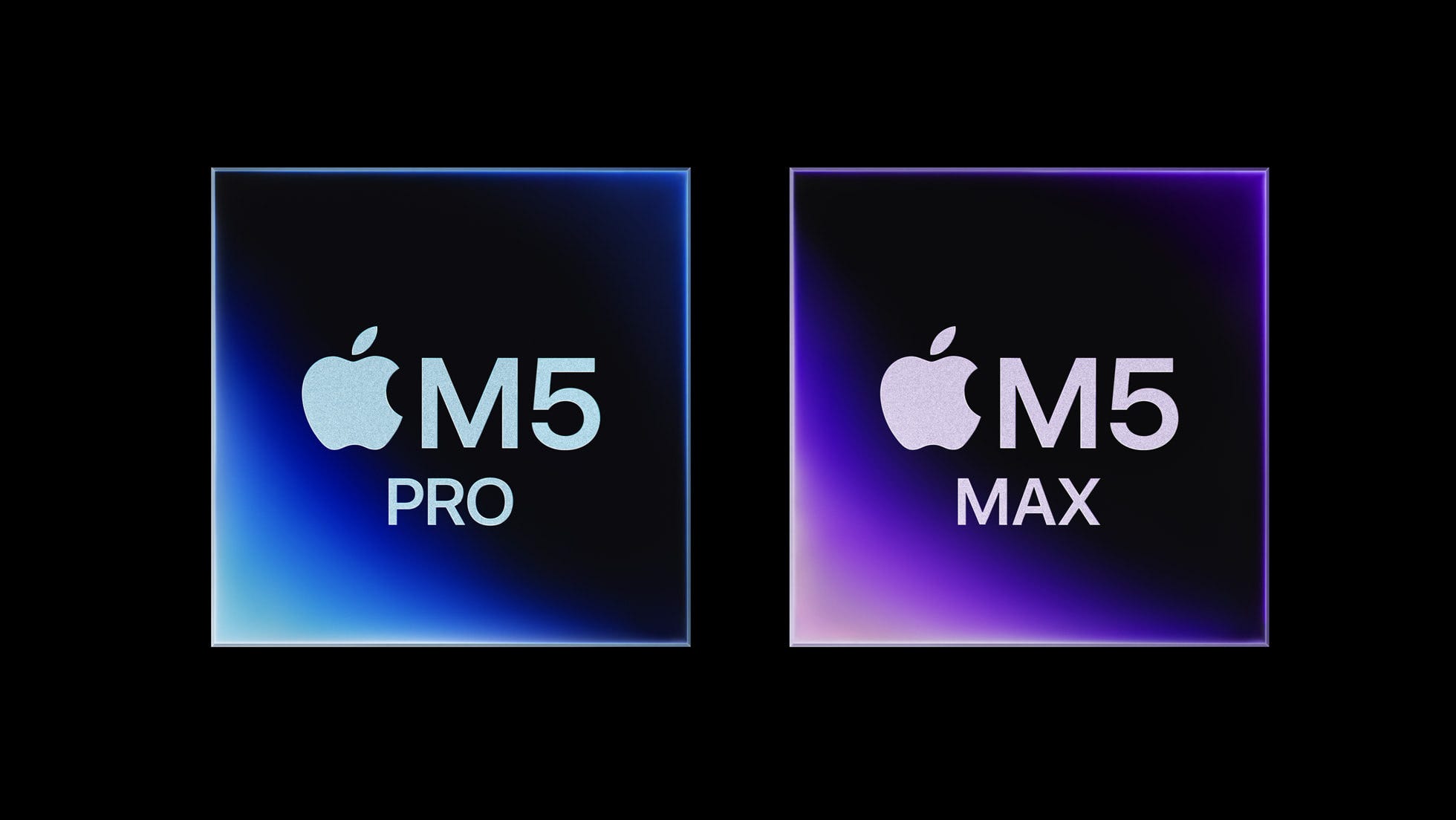
But the real story is the silicon beneath the Pro lineup. The M5 Pro and M5 Max are built on a new Apple-designed Fusion Architecture that connects two dies into a single system-on-a-chip, combining a CPU, a next-gen GPU with Neural Accelerators in every core.
Explained simply, Apple split the chip into specialized pieces that work together, letting each part do what it does best without bottlenecking the others.
The payoff is huge: up to 4x the AI performance over the previous generation and up to 8x compared to M1 models, with enough onboard memory to run serious AI models locally on your laptop, no internet connection, no cloud subscription, no data leaving your machine.
Apple's own VP of Hardware called it the machine that "enables professionals to run advanced LLMs on-device and unlock capabilities that no other laptop can do." The notable takeaway here is every token you process locally is a token you don't have to pay OpenAI for, and Apple just made that math a lot more compelling.
The 24-Year-Old Who Thinks Electricity Is the New Nvidia
Leopold Aschenbrenner, the former OpenAI researcher, published a 165-page essay last year predicting AGI by 2027 and then launched a hedge fund to bet on it. He just filed his latest portfolio disclosures, and it’s a big pivot.
His fund, Situational Awareness LP, has grown from roughly $254 million in equity positions in early 2025 to over $5.5 billion by the end of the year, one of the fastest fund expansions in recent memory.
In Q4, he exited the big chip names like Nvidia and Broadcom entirely, and among his new positions are Bloom Energy, a fuel-cell power company, now sitting as the fund's single largest holding, CoreWeave, an AI cloud infrastructure provider, and Cipher Mining.
The thesis is essentially that everyone is fighting over the AI models, but nobody is asking who's going to power them. Leopold appears to be betting that the most valuable assets in the AI era will be electricity and computing power. We unpacked his entire portfolio in a Limitless episode this week.
Anthropic’s Best Worst Week in History
The U.S. government declared Anthropic a "supply chain risk to national security" last week, a designation normally reserved for foreign adversaries.
What followed was one of the stranger growth stories in recent memory. Claude shot from 42nd place in the App Store to number one, dethroning ChatGPT for the first time. Daily sign-ups broke all-time records every day, free users grew over 60% since January, and paid subscribers more than doubled this year.
But that surge is nothing compared to what's happening on the revenue side. Anthropic just went from a $14 billion annualized revenue run rate to $19 billion in a matter of weeks, adding $5 billion in annualized revenue in roughly the time it takes most startups to close a Series A.
To put that in context, the company went from $1 billion in annual run rate in January 2025 to nearly $20 billion today, compounding at roughly 10x per year. OpenAI, by comparison, is growing at about 3.4x annually. At those trajectories, it’s possible Anthropic passes OpenAI in total revenue sometime around the middle of this year.
The AI race is a lot closer than the headlines suggest.
Thanks for joining us for another issue. Now go listen to our podcast :)